From Prison Walls to Palace Gates: How a Chance Encounter Uncovered Nine TB Cases in Mani
What began as a routine tuberculosis screening exercise at a correctional facility in Mani, Katsina State, evolved into a community-wide intervention that reached traditional leaders, security personnel, healthcare seekers, and inmates, ultimately uncovering nine cases of tuberculosis.
The KNCV Nigeria screening team had arrived at the National Correctional Service facility in Mani to conduct a scheduled TB screening exercise, in May 2026. The goal was straightforward: identify individuals with symptoms suggestive of tuberculosis, facilitate testing, and ensure those diagnosed were linked to treatment and care.
As the team carried out its activities, a simple observation changed the course of the day. Situated just beyond the correctional facility was the palace of the District Head of Mani. Recognizing a unique opportunity to engage community leadership, the team approached the head of the National Correctional Service facility and requested his support in facilitating access to the District Head and his council members. He agreed.
What followed demonstrated the transformative power of leadership and community participation in public health.
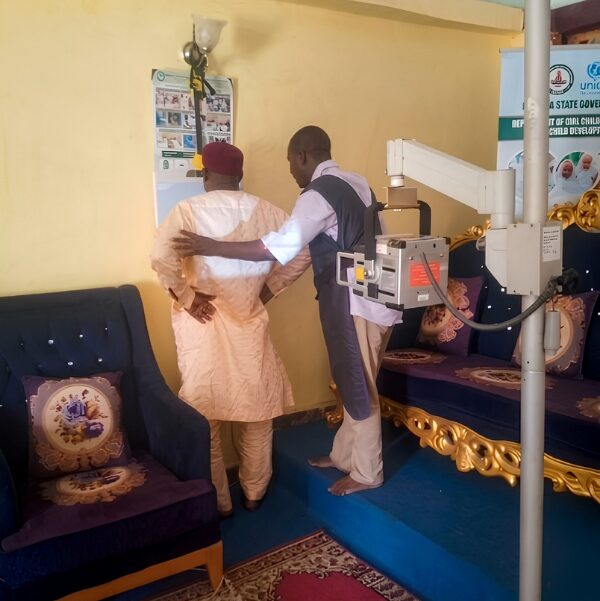
Upon arriving at the palace, the team was warmly received by the District Head of Mani. Rather than simply endorsing the exercise, he chose to lead by example. He volunteered to be screened first, sending a strong message of confidence and trust to everyone present.
The District Head then encouraged members of his council to participate. When it became clear that some council members were absent, he personally called them and requested that they come to the palace for screening. His direct involvement eliminated hesitation and ensured broader participation.
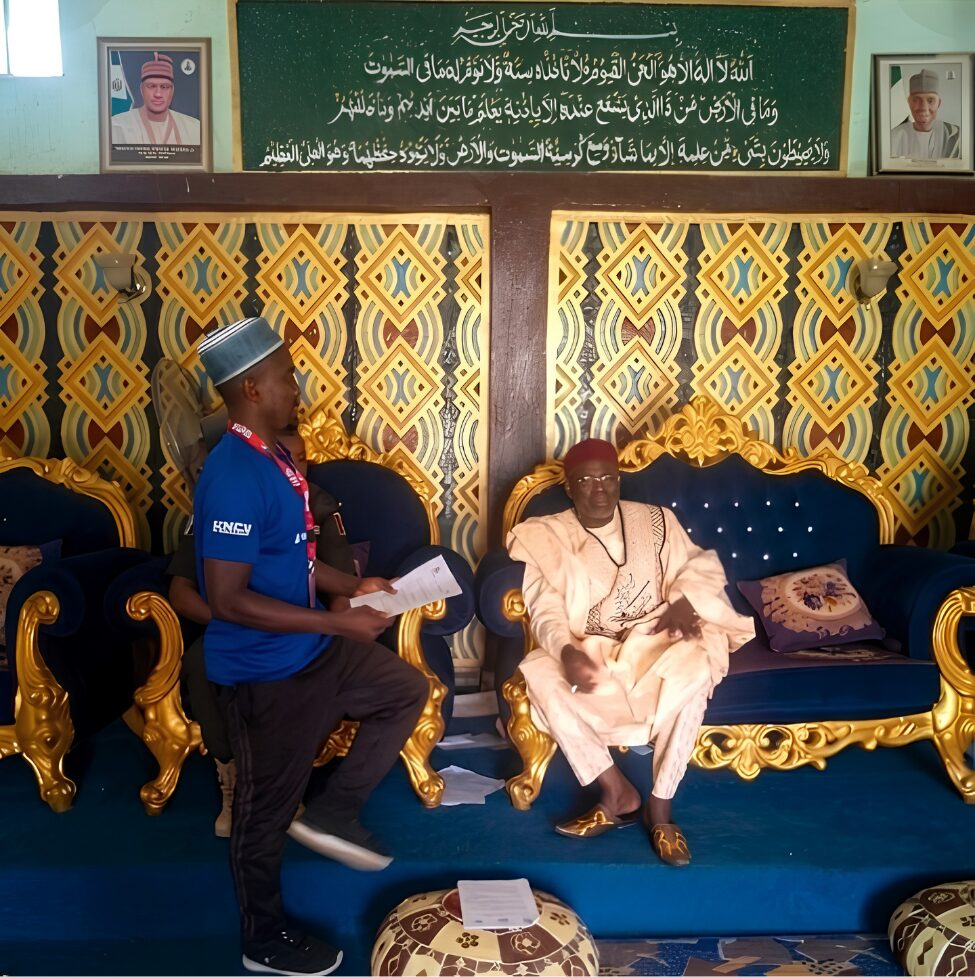
The successful engagement at the palace created momentum that carried through the rest of the outreach activities across Mani.
The team next visited the Civil Defence Division, where officers responsible for safeguarding their communities participated in the screening exercise. Among those screened, seven individuals were identified as presumptive TB cases. Subsequent diagnostic testing confirmed one case of tuberculosis, highlighting the importance of routine TB screening even among security personnel.
At Primary Health Care center Muduru, the screening exercise revealed an even greater burden of disease. The team identified twenty-five presumptive TB cases, and laboratory testing later confirmed six positive TB cases. The findings underscored the importance of bringing screening services directly into communities, where many individuals with symptoms may otherwise remain undiagnosed.
Back at the National Correctional Service facility, where the outreach had begun, the team ensured that no one was left behind. All eleven inmates in custody were screened for tuberculosis symptoms. Of these, four were identified as presumptive TB cases, while two individuals were confirmed to have tuberculosis following diagnostic evaluation.
Correctional facilities are recognized as high-risk environments for TB transmission due to overcrowding and limited ventilation. Detecting and treating cases in such settings is critical, not only for improving individual health outcomes but also for preventing further transmission within the facility and the wider community. The facility leadership was advised to seclude the two TB patients from the rest of the inmates while the team provided TB preventive treatment services to eligible inmates. By the end of the outreach, the impact was clear.
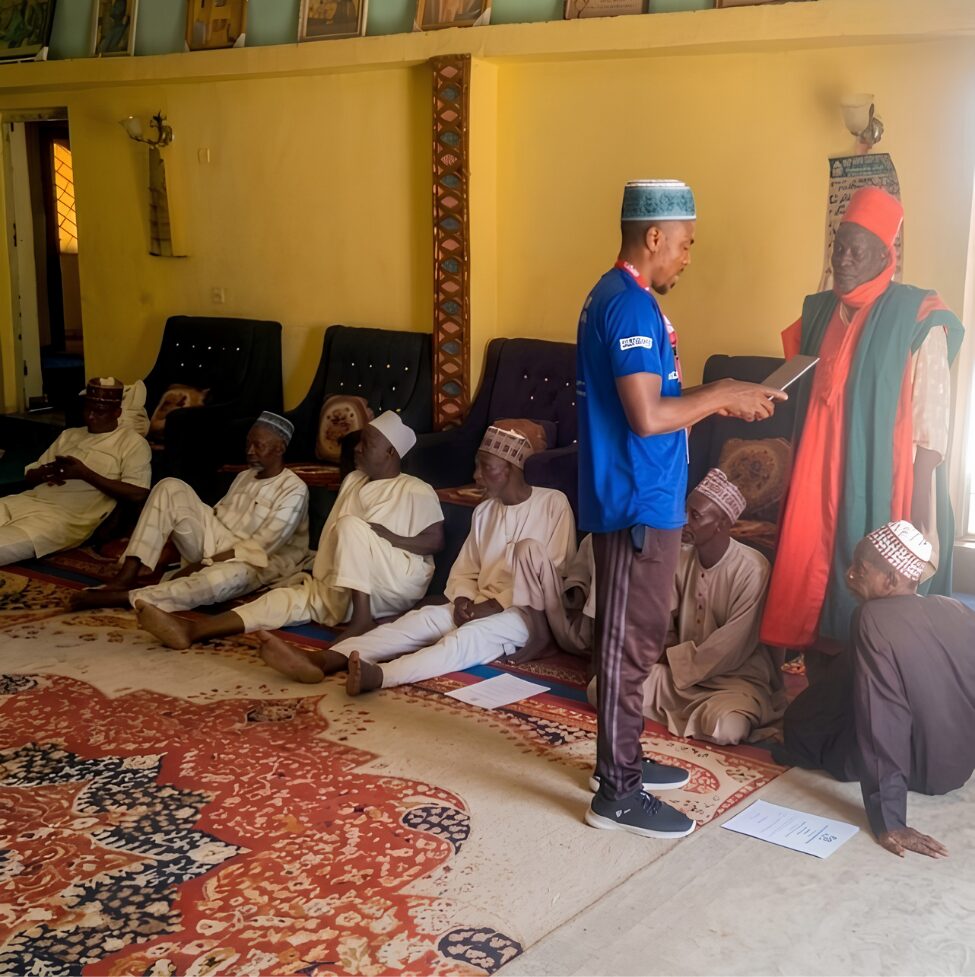
Across four locations in Mani, 221 individuals were screened for tuberculosis. The exercise identified 44 presumptive TB cases, all of whom were referred for further evaluation. Diagnostic testing subsequently confirmed nine TB cases, each representing an opportunity to interrupt transmission and restore health.
Behind every statistic was a person. Nine individuals who may have continued living with undiagnosed tuberculosis were identified and linked to care. Nine opportunities were created to protect families, prevent further infections, and improve community health outcomes. Yet beyond numbers, this story is about the power of partnership and community leadership.
What began within the walls of a correctional facility expanded to the palace of a traditional ruler because a team recognized an opportunity and acted on it. The willingness of the District Head of Mani to participate personally, mobilize his council members, and lend his influence to the intervention significantly amplified the reach and impact of the exercise.
The outreach serves as a reminder that successful tuberculosis control extends beyond diagnostics and treatment. It depends on trust, community ownership, and the active participation of leaders who are willing to champion health initiatives.
In Mani, a prison wall did not mark the end of the team’s vision. Instead, it pointed them toward a palace. And through the gates of that palace, an entire community was brought closer to better health.